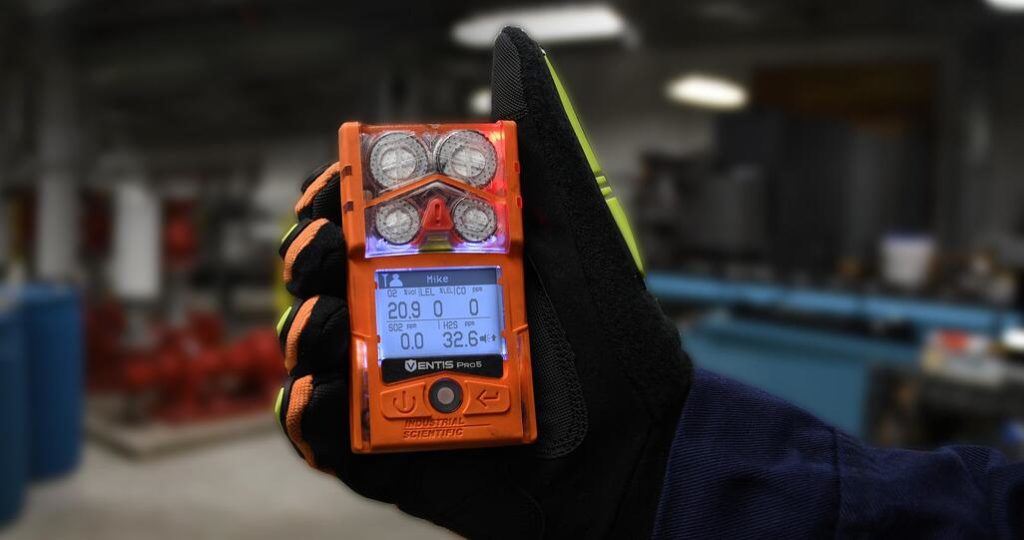
There are countless jobs that are both necessary and hazardous. Working in these positions requires 4 gas monitor an understanding of the risks as well as the equipment and procedures that protect against those risks. Knowing about gas detection and what a 4-gas detector is will help you remain safe and will ensure you meet the guidelines of organizations striving to maintain safety for those doing potentially unsafe work.
WHAT IS IT?
A 4-gas detector is a gas monitor that is intended to detect combustible gas. Unlike a smoke or carbon monoxide detector, this machine can identify various concentrations at the same time. It is used most commonly as a personal gas monitor in industries such as sanitation, public works, steel, or other confined space work. They are also known as LEL (lower explosive limit) gas detectors.
WHAT TYPES OF GASES?
A 4-gas detector is used to measure and identify LEL levels in percentage volume or PPM (parts per million) gas conversion in some machines. Gas detection equipment is a crucial part of working safely and understanding the surrounding elements. Gases with LELs can become a risk very quickly for workers. The monitor detects the following gases.
OXYGEN (O2)
Though humans breathe oxygen, the gas can cause issues when contained in a certain capacity. It is a common misconception that oxygen is flammable. However, even though it doesn’t burn, it is an oxidizer. This means it lends support in the process of combustion because oxygen will feed the flames.
CARBON MONOXIDE (CO)
As you might already know, carbon monoxide is colorless, odorless, and tasteless. It is also combustible with a lower explosive limit. Carbon monoxide is also poisonous and could result in brain damage or even death if inhaled enough.
HYDROGEN SULFIDE (H2S)
Hydrogen sulfide is colorless and flammable. Because it is derived from sulfur bacteria, it emits the same “rotten egg” taste and odor that often accompanies sulfur. Hydrogen sulfide can be found in wells and may naturally occur in crude petroleum or hot springs that feature chemical reactions with soil and rocks. Sulfur bacteria is found in groundwater and plumbing systems in addition to well water. It’s also known as sewer or swamp gas. This gas is very toxic and explodes easily. When it burns, it produces sulfur dioxide, which is another hazardous and toxic gas.
METHANE (CH4)
Also known as hydrocarbon, methane is odorless and very dangerous. This gas is both flammable and combustible when mixed with oxygen. It is one of the primary components found in natural gas, so it’s found in the environment and can be used for a range of applications. Because it has a lower explosion limit, detecting it quickly is essential.
WHAT OTHER DETECTOR TYPES?
Major Safety strives to provide detection equipment that helps maintain safety in the most hazardous working conditions. Portable detectors are a must, especially in confined spaces. In addition to providing 4-gas detectors, we also offer other detectors and support equipment.
SINGLE GAS DETECTORS
Single-gas detectors are personal protective equipment (PPE) that has the sole purpose of monitoring one target gas. These machines are designed to be compact and easy to use. They alert workers to the presence of particular gas concentrations that are dangerous and present. The most common type of detector that is required by manufacturing plants or refineries is used to sense hydrogen sulfide or oxygen. Major Safety offers these in both disposable and longer use models.
FIXED SYSTEM GAS MONITORING
Fixed system gas monitoring offers automatic responses to gas leaks. This type of equipment can be set to shut down a system as soon as a leak reaches a specified alarm level. They are meant to monitor flammable and toxic levels of gas to maintain safety for workers within a facility. They are the failsafe put in place to avoid human error or missed detection. These systems are used in a variety of scenarios, such as parking garages, boiler rooms, and battery rooms.
 Site Title
Leave a comment